
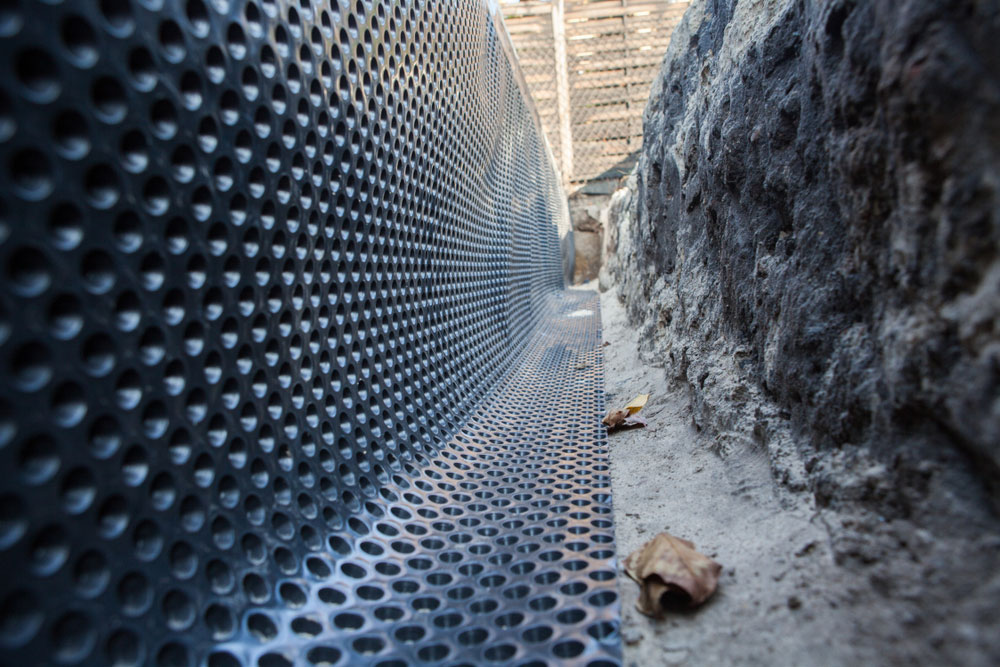
Moisture in basements or crawl spaces is a leading cause of mold growth in homes. Mold not only damages property but can also pose serious health risks to occupants. Foundation waterproofing is an effective solution to prevent water intrusion, maintain a dry environment, and reduce the risk of mold development.
Understanding the connection between water control and mold prevention allows homeowners to take proactive steps to protect both their property and their family’s health. Proper waterproofing addresses the root cause of moisture, rather than just treating the symptoms of mold.
Preventing Water Intrusion
The primary way foundation waterproofing reduces mold growth is by stopping water from entering the home. Dry foundations create an environment where mold cannot thrive.
- Seals cracks and joints in walls and floors
- Installs drainage systems to redirect water away from the foundation
- Uses waterproof coatings to block moisture penetration
- Employs sump pumps and other water-removal systems when necessary
By keeping water out, homeowners eliminate the primary catalyst for mold formation.
Controlling Humidity Levels
High humidity in basements and crawl spaces encourages mold spores to develop and spread. Waterproofing helps maintain lower humidity levels throughout these areas.
- Prevents groundwater seepage that raises indoor moisture
- Reduces condensation on foundation walls
- Allows proper ventilation to complement waterproofing measures
- Limits damp areas where mold typically grows
Maintaining a drier environment reduces mold’s ability to flourish in hidden corners and cracks.
Protecting Wood and Structural Components
Foundation water intrusion can compromise wooden framing and other structural elements, creating ideal conditions for mold growth. Waterproofing safeguards these materials.
- Keeps joists, beams, and subfloors dry
- Prevents rot that can serve as a breeding ground for mold
- Protects drywall and insulation from moisture damage
- Extends the lifespan of structural components
Preserving the integrity of building materials reduces both mold risk and long-term repair costs.
Reducing Health Risks
Mold exposure can cause respiratory issues, allergic reactions, and other health problems. By preventing moisture accumulation, foundation waterproofing protects the occupants of the home.
- Limits the presence of airborne mold spores
- Reduces potential triggers for asthma and allergies
- Maintains a safer living environment for children and pets
- Prevents long-term health complications associated with mold exposure
A dry foundation is key to maintaining indoor air quality and protecting the well-being of everyone in the home.
Supporting Long-Term Home Maintenance
Waterproofing not only addresses immediate mold concerns but also provides long-term benefits for overall home maintenance. Proper prevention reduces costly repairs and preserves the property’s value.
- Minimizes damage to floors, walls, and personal belongings
- Reduces the need for recurring mold remediation
- Maintains a stable, dry environment for storage and living spaces
- Enhances the overall durability and lifespan of the foundation
Investing in foundation waterproofing is a proactive measure that saves time, money, and stress over the years.
Maintaining a Safe, Mold-Free Home Environment
Foundation waterproofing is essential for preventing mold growth and protecting your home’s structural integrity. By stopping water intrusion and controlling moisture levels, homeowners create a healthier, safer living environment.
Proactive waterproofing preserves both property and health, reducing the risk of extensive damage and costly repairs. With proper installation and maintenance, foundation waterproofing provides long-term protection against mold while enhancing the overall safety and comfort of your home.